Real-World Projects

Smart Construction Light put to the test in Baden-Württemberg

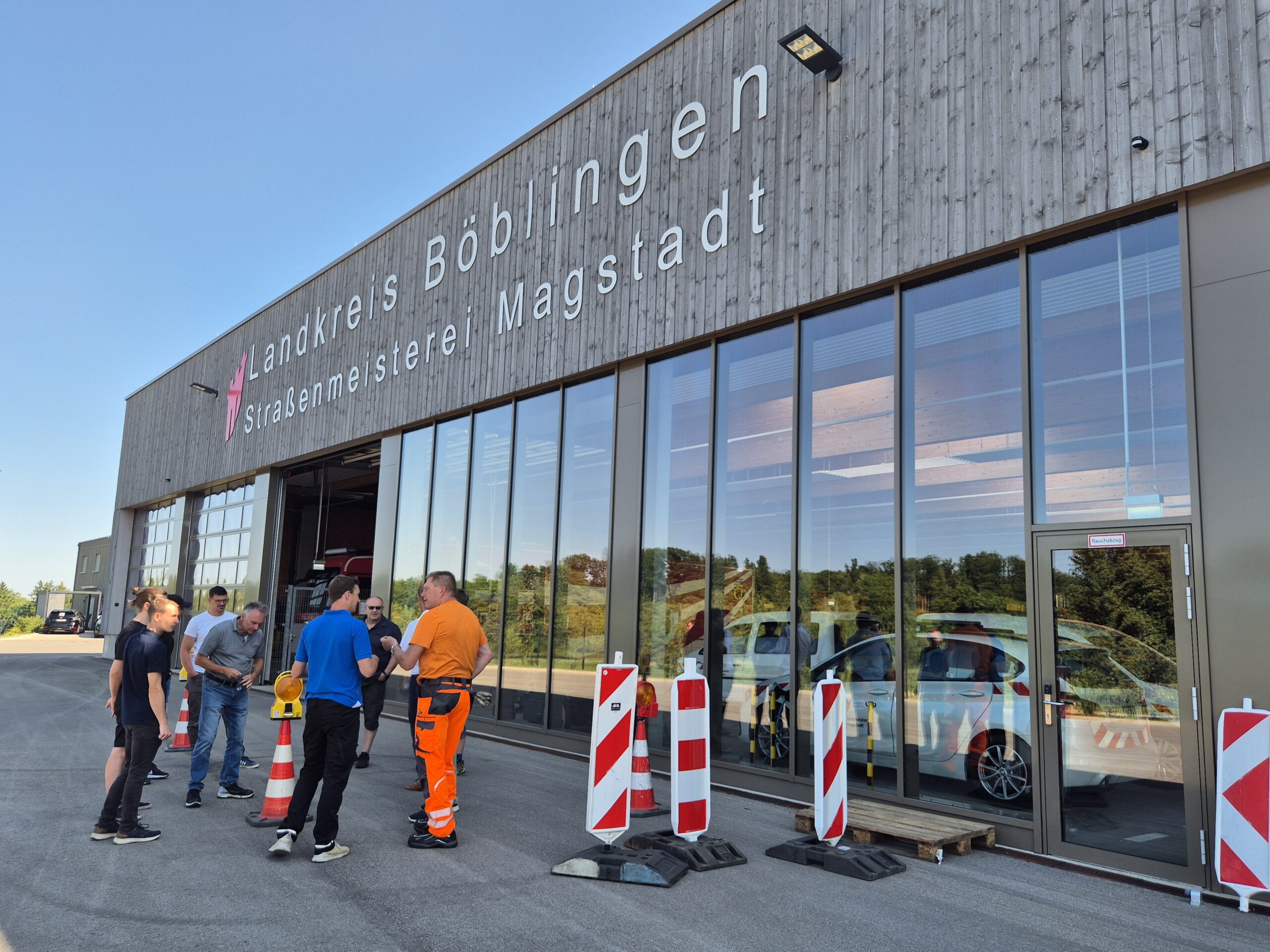
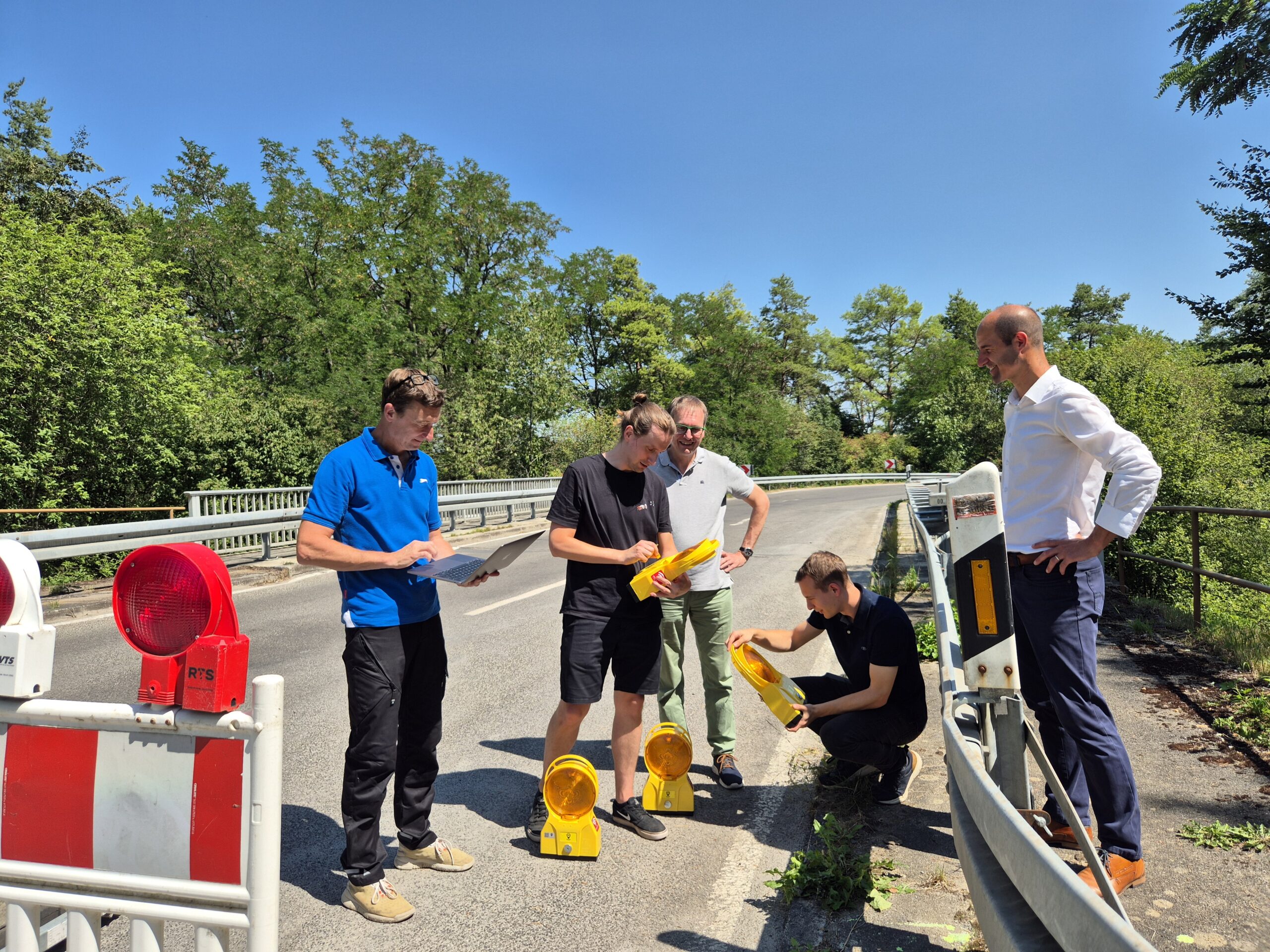
On July 29, we were on site in Baden-Württemberg together with AlbrechtConsult to test our smart construction site light, the SCL-One+, as part of a pilot project in collaboration with staff from the Magstadt and Eningen road maintenance depots, the Ostalbkreis District Office, and the Baden-Württemberg Ministry of Transportation.

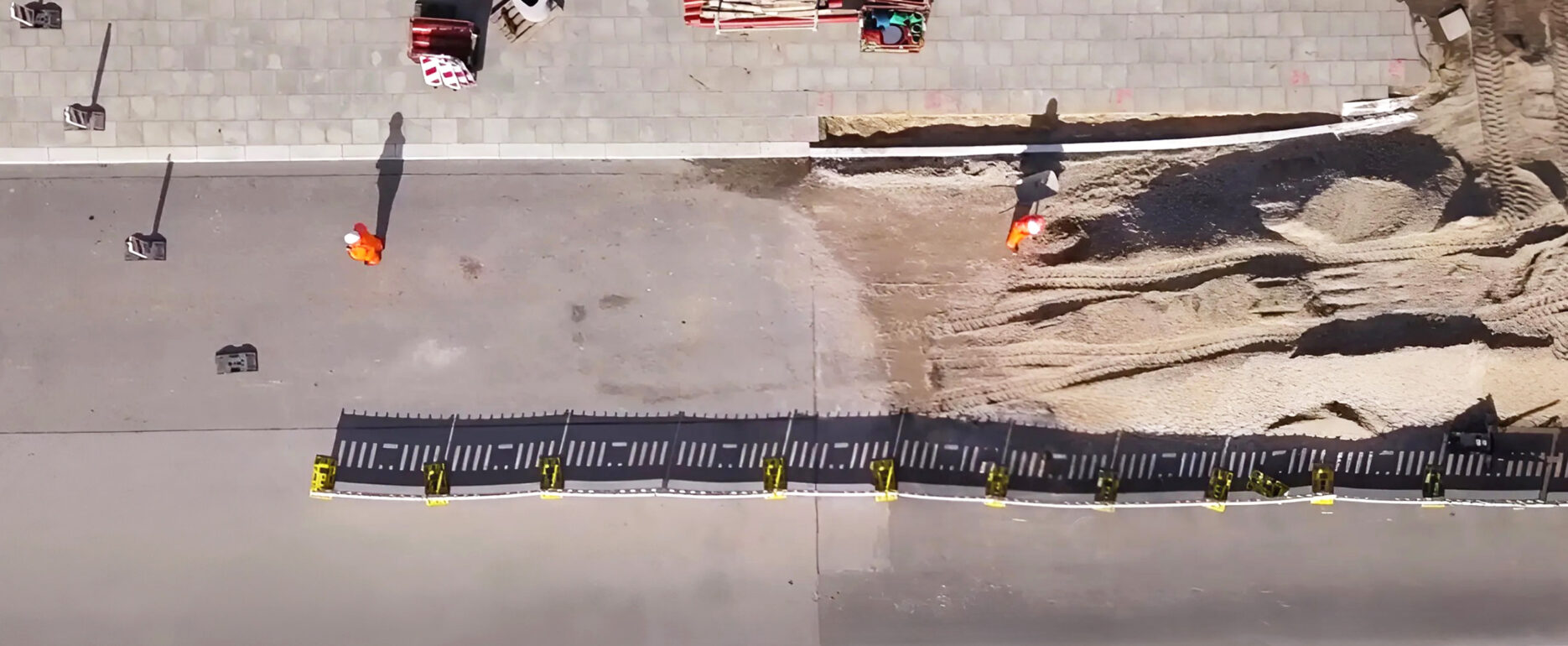
First, the lights were put into operation on the grounds of the Magstadt Road Maintenance Depot. They were then positioned at a real construction site with a nearby road closure. In addition to precise positioning, special attention was paid to how the lights function in the actual construction site environment.

Here, the technology must not only provide precise position data but also be easily and reliably integrated into the road maintenance depots’ processes within the real-world work environment. Furthermore, linking the position data generated in the field with data from the state’s construction site and incident management system (BEMaS) is important for achieving a genuine reduction in the workload of road maintenance crews in the long term and for realizing the technology’s full potential.

In the long term, the data generated will be used to provide real-time information on the locations of actual construction sites, thereby enabling optimal traffic management.
Hamburg

In 2021, the City of Hamburg was once again recognized as Germany’s smartest city. The Hanseatic city is driving a wide range of projects, from construction site coordination to autonomous driving. The LSBG (Agency for Roads, Bridges and Waterways) acts as a service provider for public authorities, responsible for both the implementation and maintenance of essential technical infrastructure.

Hamburg faces a growing demand for mobility, while opportunities for expanding infrastructure remain limited. To increase traffic efficiency and make better use of existing road networks, the city is pursuing projects to develop intelligent traffic systems. It is setting the stage for the digitalization of construction sites. Going forward, geo-referenced warning lights will become mandatory in construction tenders – an adjustment to the official roadwork regulations has already been made.

In the long term, Hamburg aims to ease the burden on traffic safety and monitoring through intelligent systems and enable remote maintenance of critical traffic areas.

As part of the „GeoNetBake“ project, the city has initiated the development of a sensor-supported, geo-referenced warning light. The goal is to automatically capture real-time information such as the exact location, driving direction, and dimensions of roadworks.

You can find an introduction to the project in the following video:

Optimized Traffic Flow in Mainz

Mainzer Stadtwerke AG and Wirtschaftsbetriebe Mainz record the positions of their sewer cleaning vehicles and transmit this data to navigation systems in order to strategically improve traffic flow throughout the city.

You can find an introduction to the project in the following video:

Shaping the Future Together

Let’s talk about potential projects — we look forward to the exchange.

Let us talk

Every project starts with a conversation. Contact us – we are excited to discuss your plans.

Address

CM1 GmbH
Urlasstraße 40
91207 Lauf an der Pegnitz

Contact